Appearance
This
什么是 this?
- 一个关键字,一个特殊的对象引用
- 运行时绑定,在函数被调用时确定
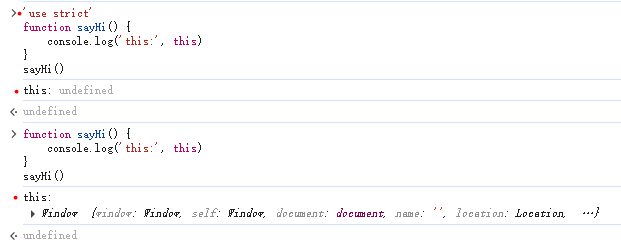
默认绑定
- 非严格模式:全局对象(window)
- 严格模式:undefined
隐式绑定
场景:函数作为对象的一个方法被调用
指向:调用该方法的对象本身
const obj = {
    name: 'Lily',
    sayHi: function() {
        console.log(`Hello, ${this.name}`)
    }
}
// this 指向 obj
obj.sayHi()   // Hello, Lily
隐式丢失
场景:将对象方法赋值给一个新变量后独立调用
结果:this指向丢失,触发了默认绑定
const obj = {
    name: 'Lily',
    sayHi: function() {
        console.log(`Hello, ${this.name}`)
    }
}
const hiFn = obj.sayHi
hiFn()
非严格模式:Hello, (this 指向全局变量)
严格模式:
显示绑定
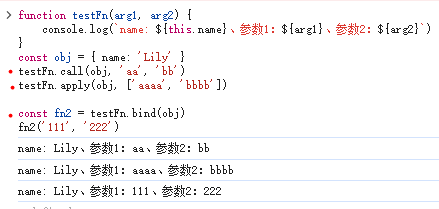
- call
- .call(thisArg, arg1, arg2, ...)
- 立即调用函数
- this 指向 thisArg
- 参数逐个传递
- apply
- .apply(thisArg, [arg1, arg2, ...])
- 立即调用函数
- this 指向 thisArg
- 参数传递一个数组
- bind
- .bind(thisArg)
- 不立即调用
- 返回一个this被永久绑定的新函数
- 也称“硬绑定”
手写 apply
Function.prototype.myApply = function(context, argsArray) {
  if (context === null || context === undefined) {
    context = globalThis // 浏览器环境是window,Node环境是global
  } else {
    // 将非对象类型转换为对象,确保可以添加属性
    context = Object(context)
  }

  // 生成唯一属性名,避免覆盖context原有属性
  const fnKey = Symbol('fn')
  context[fnKey] = this

  const args = Array.isArray(argsArray) ? argsArray : []

  // context[fnKey]调用context对象的fnKey函数,此时this就是context对象
  const result = context[fnKey](...args)

  // 避免污染原对象
  delete context[fnKey]

  return result
}

function greet(age, sex) {
  return `greet: ${this.name}, ${age}, ${sex}`
}
const person = { name: 'Amy' }

console.log(greet.myApply(person, ['15', '男'])) // 输出: greet: Amy, 15, 男
new 绑定
场景:使用 new 关键字调用函数(构造函数)
指向:this 指向一个全新的空对象
new 关键字做了什么?
- 创建一个全新的空对象
- 新对象的原型链接到构造函数的 prototype 属性
- 新对象被绑定为函数调用的 this
- 隐式返回 this (若函数无其他返回)
function Person(name) {
    // 1. this = {}
    this.name = name
    // 2. return this
}
const user = new Person('Lily')
console.log(user.name)   // Lily
在 Person 调用中,this 指向 user
箭头函数
- 箭头函数没有自己的 this
- this 绑定在创建时确定,而不是在调用时确定
- 一旦绑定,不可被 call/apply/bind 修改
const obj = {
    name: 'Lily',
    // 定义时,这里的 this 是全局对象
    sayHi: () => {
        console.log(`Hello, ${this.name}`)
    }
}
obj.sayHi() // Hello,
绑定规则优先级
new > 显示 > 隐式 > 默认
实例
const myTimer = {
    count: 0,
    start() {
        setTimeout(function() {
            // 这里的 this 指向 谁?
            console.log(++this.count)
        }, 1000)
    }
}
myTimer.start()
setTimeout 的回调函数被独立调用,丢失了 myTimer 的上下文,触发了默认绑定,this 指向全局。
解决方式1:bind(this)
setTimeout(function() {
    console.log(++this.count)
}.bind(this), 1000)
解决方式2:箭头函数
setTimeout(() => {
    console.log(++this.count)
}, 1000)